

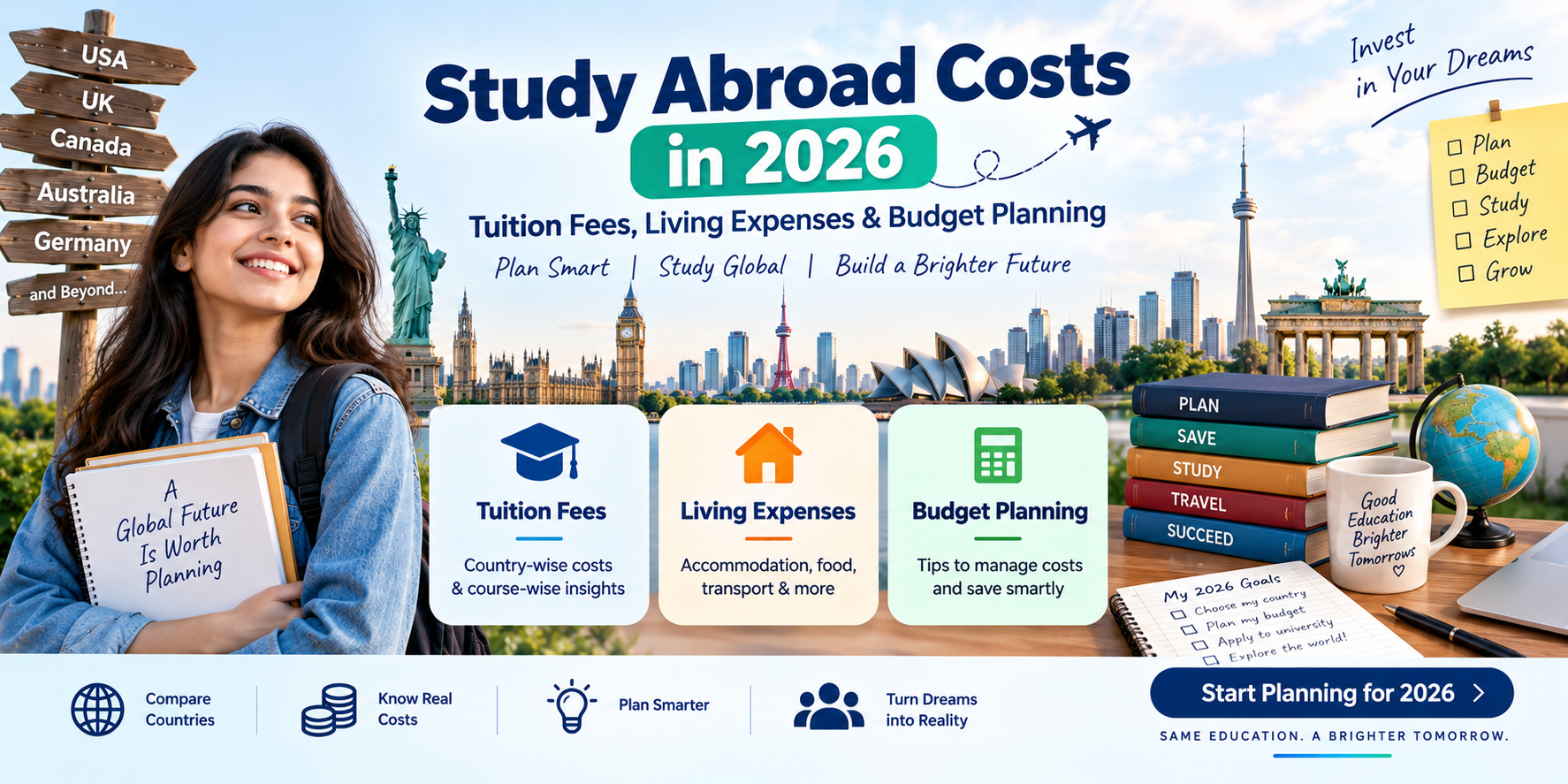
 Study Abroad Costs in 2026: Tuition Fees, Living Expenses & Budget Planning
 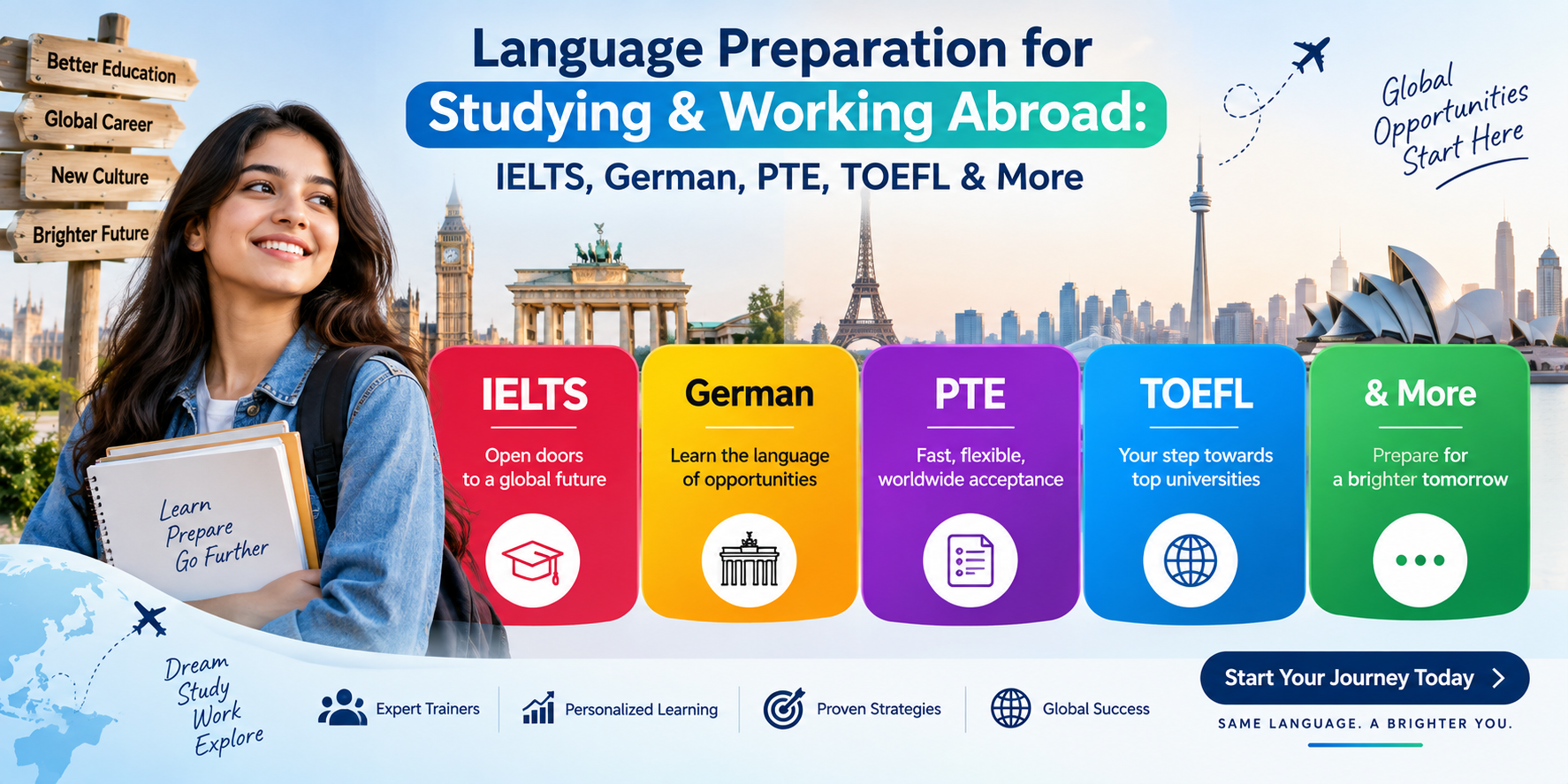 Language Preparation for Studying & Working Abroad: IELTS, German, PTE, TOEFL & More
  From Education to Employability: How Students Can Plan Their International Career Before Choosing a Course
 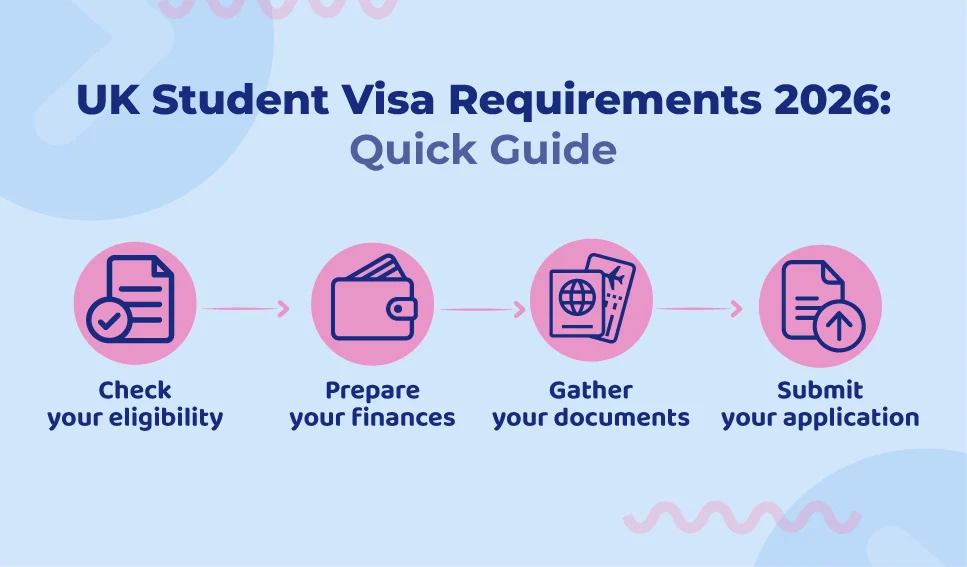 Student Visa Planning 2026: What International Students Should Check Before Applying
  International Student Recruitment in 2026: What Universities & Education Partners Need to Know
 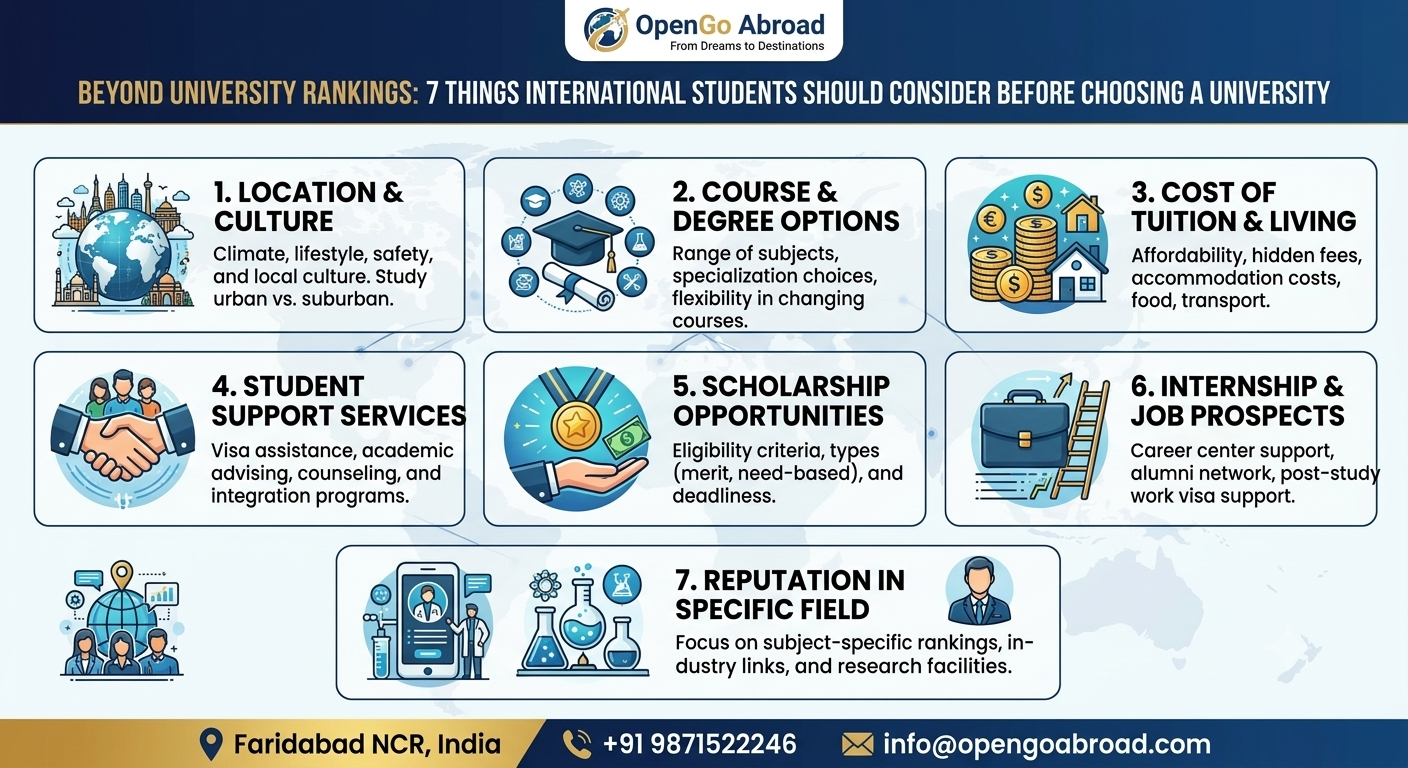 Beyond University Rankings: 7 Things International Students Should Consider Before Choosing a University
  Study Abroad in 2026: How to Choose the Right Country, Course & University
 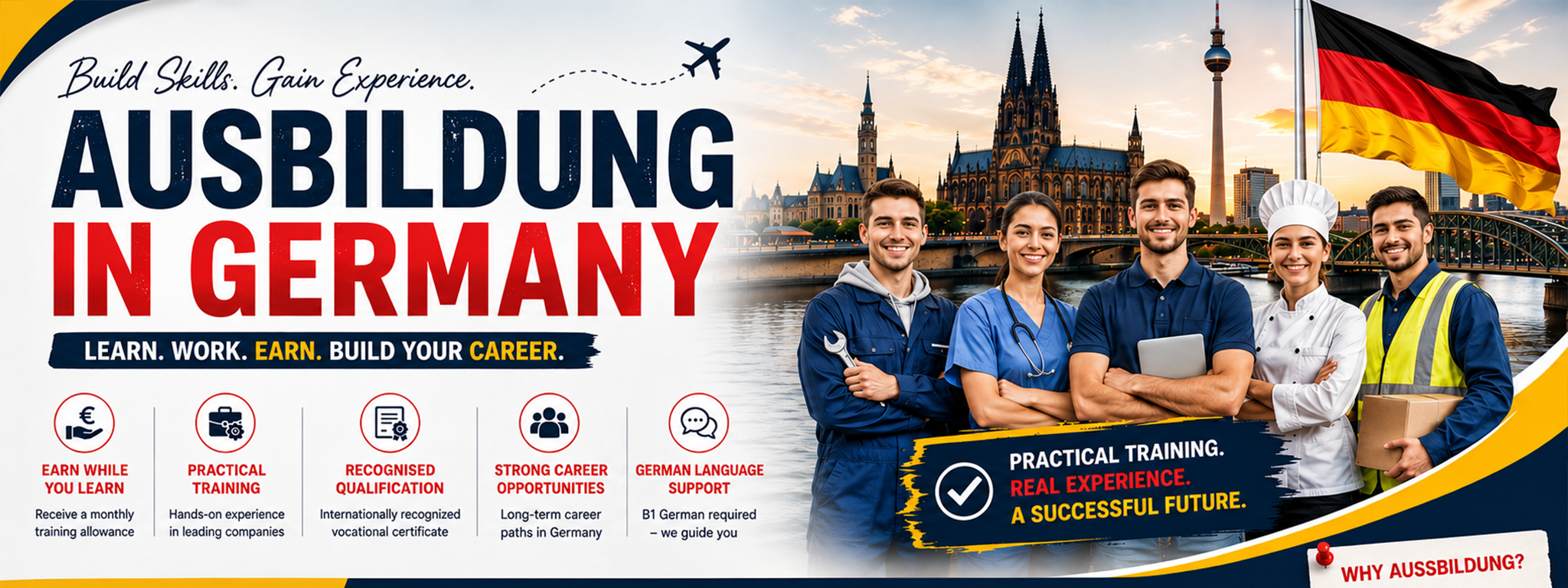 Germany Ausbildung 2026: Your Complete Guide to Vocational Training
  Study Abroad: Complete Guide for International Students
 Germany's dual vocational training system, known as Ausbildung, offers international students a direct path to in-demand careers. This program combines practical on-the-job experience with theoretical classroom instruction .
To pursue an Ausbildung in Germany, securing a training contract and a residence permit is essential . Ausbildung eligibility generally requires a German language proficiency at B1 level for a qualified program . Training duration is typically 2 to 3.5 years . During training, apprentices receive an Ausbildung salary; if it is at least €1,048 gross monthly, it can be used to prove financial stability for the visa .
Popular fields include IT, healthcare, and skilled trades, with starting salaries after graduation in 2026 reaching above €53,000 for roles like Chemical Technician or Digitalization Management Clerk . Upon completion, graduates can work in Germany and may apply for a settlement permit after two years of employment .
With a structured program and clear career prospects, vocational training in Germany is a viable international option. OpenGo Abroad can help guide you from dreams to destinations.