
 Language Preparation for Studying & Working Abroad: IELTS, German, PTE, TOEFL & More
  From Education to Employability: How Students Can Plan Their International Career Before Choosing a Course
 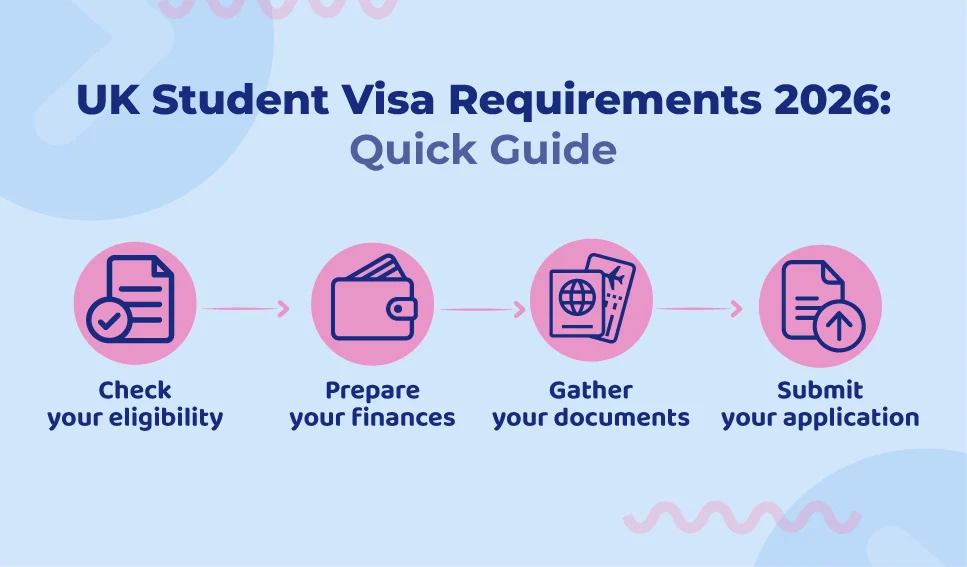 Student Visa Planning 2026: What International Students Should Check Before Applying
  International Student Recruitment in 2026: What Universities & Education Partners Need to Know
 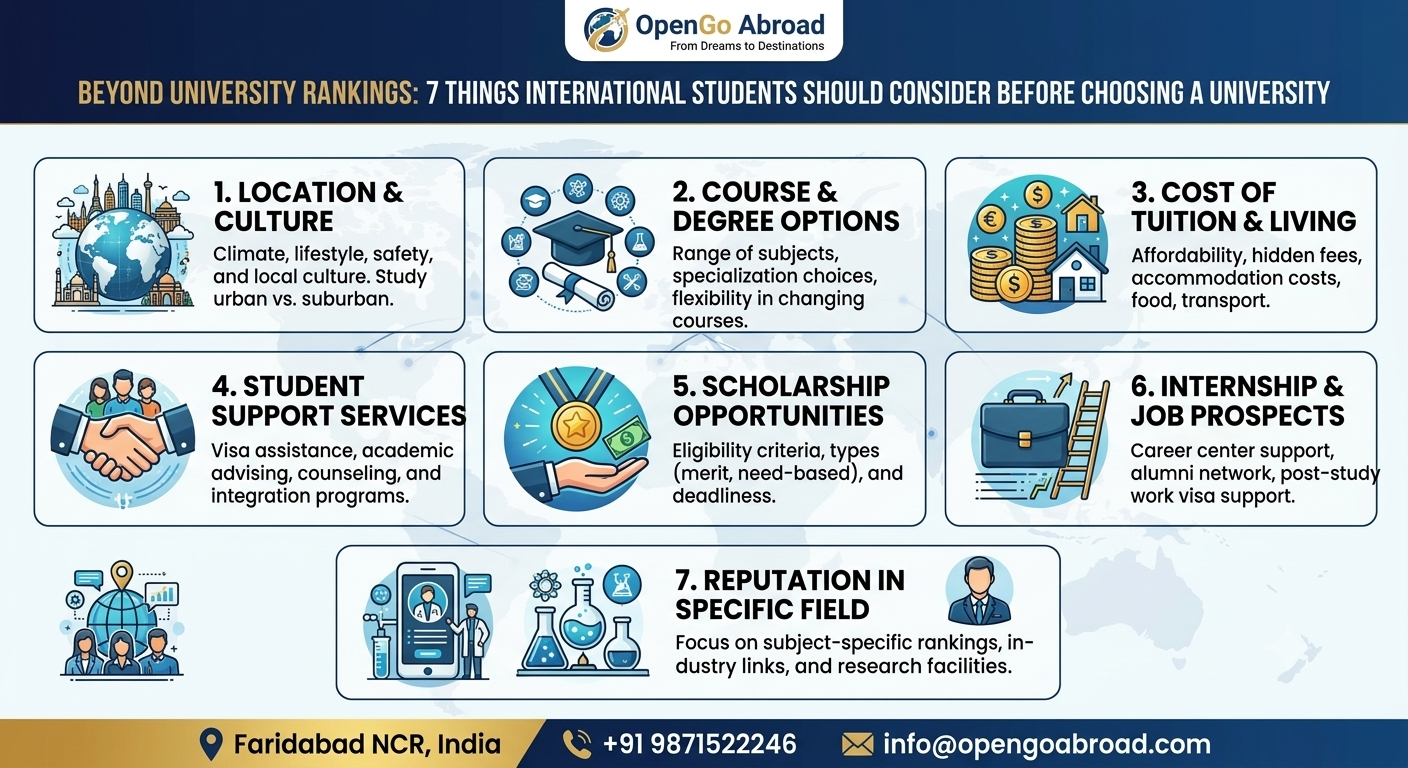 Beyond University Rankings: 7 Things International Students Should Consider Before Choosing a University
  Study Abroad in 2026: How to Choose the Right Country, Course & University
  Germany Ausbildung 2026: Your Complete Guide to Vocational Training
  Germany Ausbildung 2026: Your Guide to Vocational Training
  Study Abroad: Complete Guide for International Students
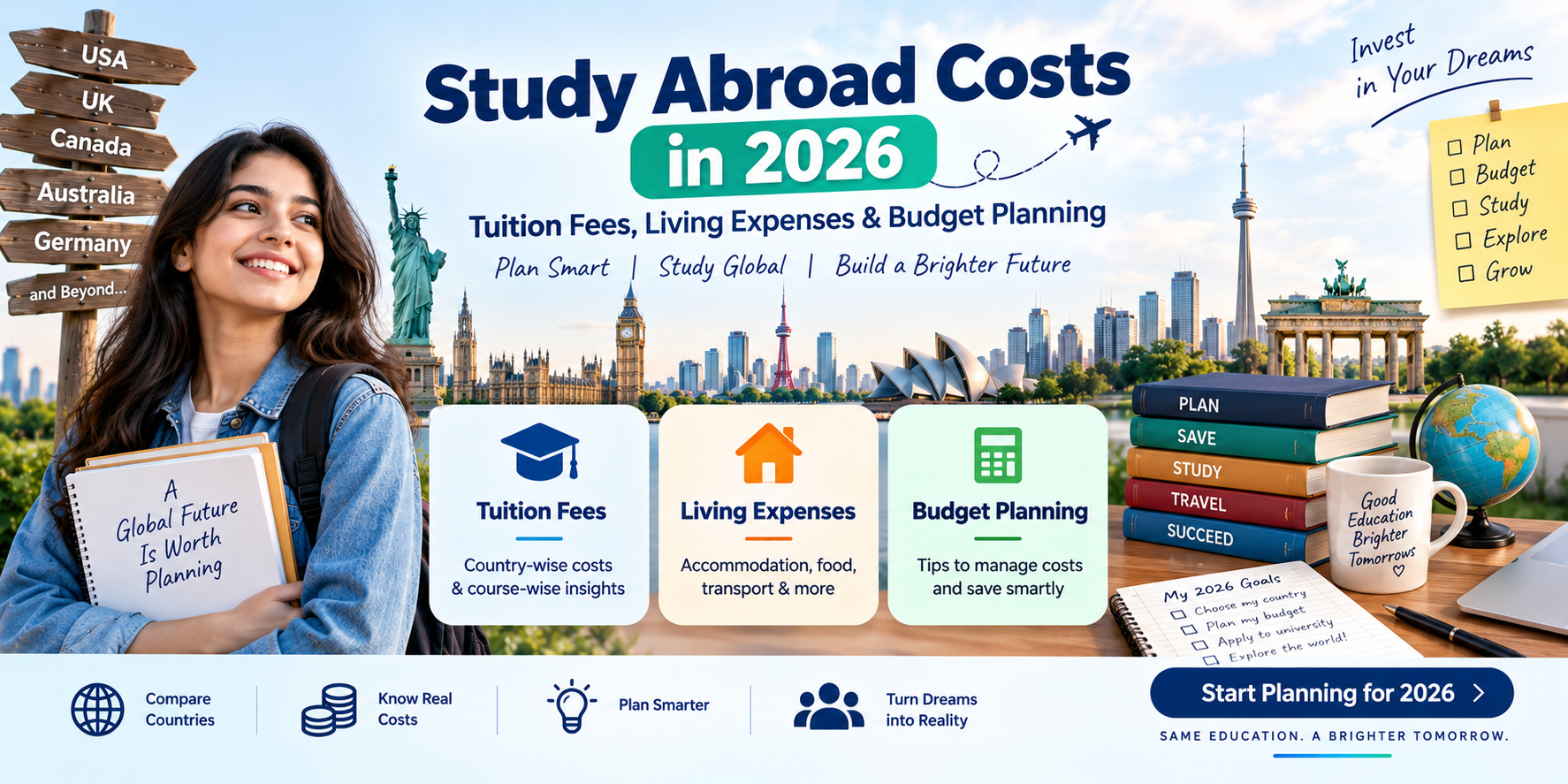
 Study Abroad Costs in 2026
Studying abroad can be a valuable investment in your education and future career. However, understanding the total cost before choosing a country, university, and course is essential for effective financial planning.
What Costs Should International Students Consider?
The overall cost of studying abroad is not limited to tuition fees. Students should consider both education-related expenses and everyday living costs.
- Tuition Fees: The cost of your programme can vary depending on the country, university, course, and study level.
- Accommodation: Students may choose university accommodation, private rentals, shared housing, or homestays.
- Food & Groceries: Monthly food expenses depend on your lifestyle and location.
- Transportation: Public transport, travel passes, and local commuting should be included in your budget.
- Health Insurance: Some destinations require international students to have appropriate health insurance.
- Visa & Application Costs: Visa fees, application charges, document preparation, and related expenses should be considered.
- Other Expenses: Books, study materials, mobile plans, clothing, entertainment, and emergency expenses can also add to your overall budget.
Tuition Fees
Tuition fees can differ significantly between countries and universities. They may also vary according to your chosen programme and whether you are studying at undergraduate, postgraduate, or another level.
Before applying, check the official university website for the latest tuition fee information and payment requirements.
Living Costs
Living expenses are another major part of your study abroad budget. Accommodation is often one of the largest monthly expenses, followed by food, transportation, and personal spending.
The cost of living can also differ between cities. Major cities may have higher accommodation and daily expenses compared with smaller cities or towns.
How to Create a Study Abroad Budget
- Calculate your expected tuition fees.
- Estimate monthly accommodation expenses.
- Budget for food and groceries.
- Add transportation and communication costs.
- Include visa, insurance, and application-related expenses.
- Keep an emergency fund for unexpected costs.
- Check available scholarships and financial support options.
Scholarships and Financial Planning
Scholarships and financial support can help reduce the overall cost of international education. Students should research scholarship opportunities offered by universities, governments, and other recognised organisations.
Always check eligibility criteria, application deadlines, and funding conditions before applying.
Plan Your Finances Before You Apply
A clear financial plan can help you choose a destination and programme that matches your budget. Instead of considering tuition fees alone, calculate your estimated total cost for the complete study period.
Costs and requirements can change, so always verify the latest information from official university, government, and immigration sources before making financial decisions.
Get Guidance for Your Study Abroad Journey
Planning to study abroad? OpenGo Abroad can help you explore suitable study destinations, universities, courses, and application requirements based on your academic and career goals.
Start planning your study abroad journey today.